
Opinion
CFO in Life Sciences: The Difference Between Financial Administration and Financial Leadership
With world‑class research institutes, internationally respected universities, and a vibrant biotech startup ecosystem, the Netherlands has every ingredient needed to become a global leader in life sciences. Yet despite these strengths, innovative therapies do not reach Dutch patients quickly - or not at all.
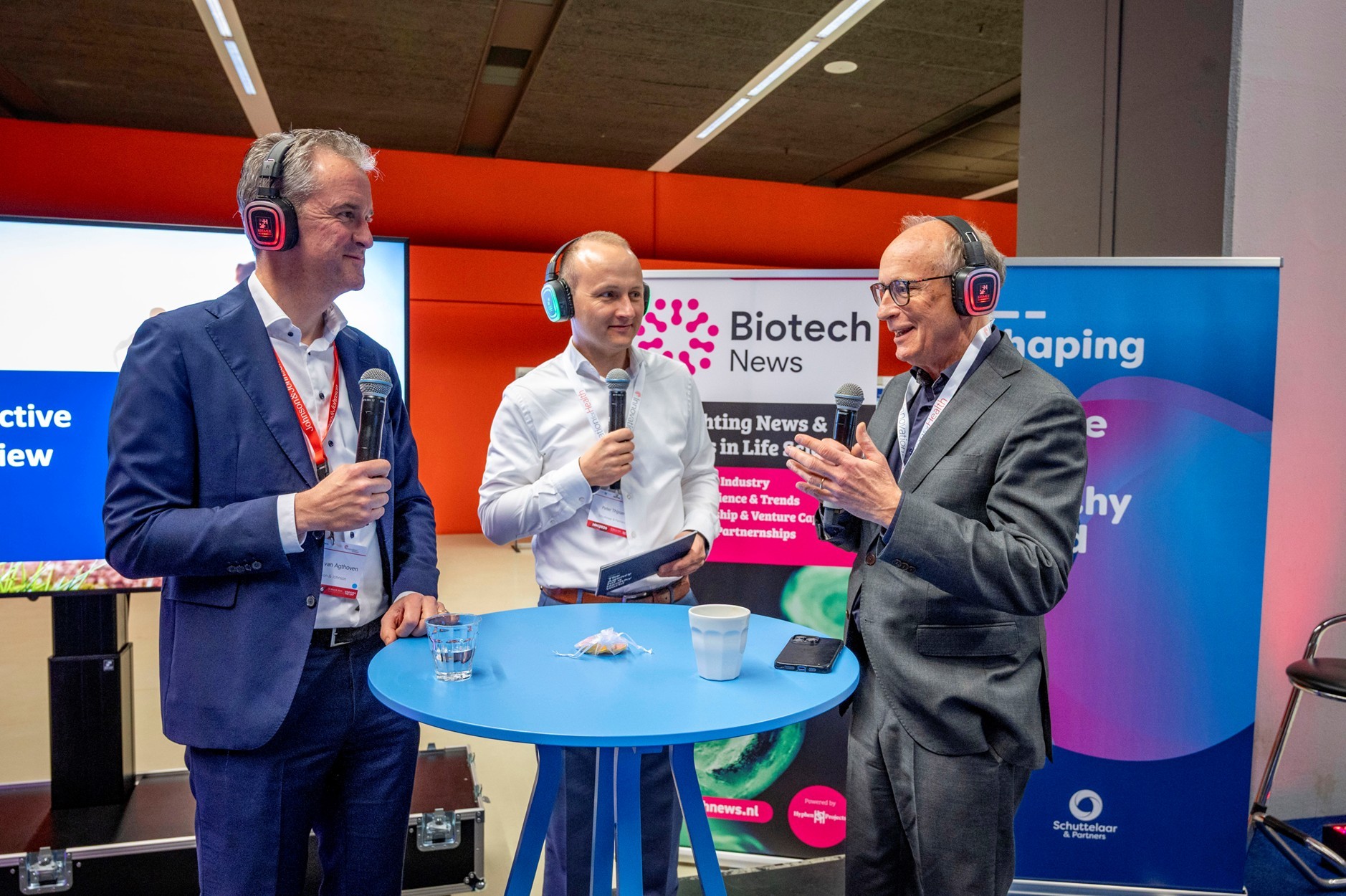
This discrepancy - the gap between innovation and patient access - was the central theme of a recent live interview held at Innovation for Health with Michel van Agthoven (Johnson & Johnson) and Hans Schikan (former Top Team member Health-Holland).
Their joint conclusion: the Netherlands must urgently take coordinated action to remain competitive and deliver the benefits of innovation to patients.
Are we holding ourselves back?
Science is not the problem - systems are. Hans Schikan expressed this clearly:
“We have all the right ingredients - excellent science, talented people, strong facilities - yet, patients wait too long.” Michel van Agthoven agrees, adding: “Our processes are too slow. It simply takes too long to start clinical trials or provide access to new therapies.”
Van Agthoven recalled the extraordinary acceleration during the COVID‑19 crisis, when bureaucracy gave way to collaboration and urgency. “During COVID we built a manufacturing facility in Leiden within a year and a day thanks to fantastic collaboration with all parties involved - something that normally takes several years. We know we can move faster when we choose to.” The speakers agreed that if the Netherlands wants to compete internationally, regulatory processes must become more agile and predictable, and that all stakeholders must join forces to keep the country attractive for clinical trials - for the benefit of patients, researchers, and companies.
The steps forward are clear
The recent economic report led by Peter Wennink, former CEO of ASML, is clear: it identifies life sciences and biotech as a crucial and highly promising strategic sector for the Netherlands. Van Agthoven stressed that this provides a good roadmap:
“We don’t need new reports. The steps are crystal clear. We need to start implementing the recommendations now to shape the necessary preconditions, before we fall behind other countries that are moving much faster.”
Hans Schikan reinforced the urgency from a societal angle:
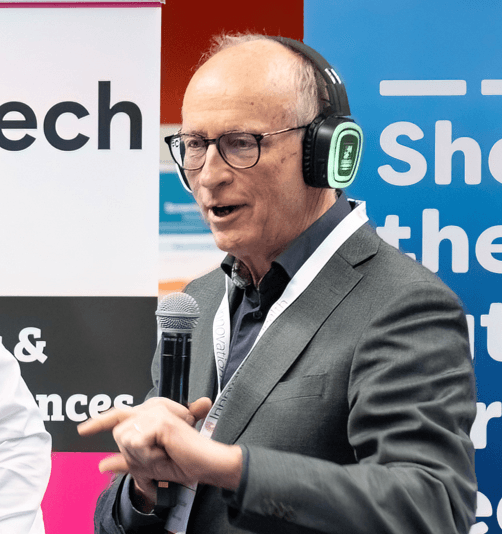
“It’s not only about economic potential. If we invest in life sciences and biotech, people stay healthy. This is something the Prime Minister should champion at the highest level—this cannot sit only with individual ministries. It should be a ‘chefsache’.”
How we can learn within Europe
The Netherlands has much to learn from European neighbours already combining innovation with rapid access. Germany stands out, according to both Schikan and van Agthoven. Schikan explained: “In Germany, as soon as a new innovative drug is approved by EMA, physicians can prescribe it immediately. After a year, they evaluate the real‑world evidence and companies negotiate a price with the government. That is a much better way than making patients wait for years.” Van Agthoven agreed, reminding ourselves that we are not talking about untested products here: “New medicines that enter the market are safe, approved options, as confirmed by EMA. Early access with real-world evaluation is an approach we should seriously consider for the Netherlands. Instead of focusing on the upfront evaluation only, we should target our efforts to what we can learn from the use of medicines in daily practice.”
Adopting elements of such a successful European system could significantly reduce delays, position the Netherlands as a more attractive environment for innovation, and - most importantly - ensure that patients gain swift access to the latest new medicines.
Stop thinking in silos
Another major barrier identified is the siloed Dutch policy landscape. Hospitals, insurers, and regulators each operate under narrow mandates. Van Agthoven highlights the issue: “We can’t blame decision makers for watching their budgetary siloes, wouldn’t you do the same? But innovation has a much wider societal value.” He calls for real-world evaluation models that include labour participation, productivity, and the wider economic and societal benefit of medicines. Schikan adds:
“Innovation is only real when it reaches patients. Without a shift in mindset toward long-term value and societal impact”, he warns, “the country risks losing the payoff from decades of investment in research.”
Both speakers conclude that with decisive action, the Netherlands can ensure that its scientific breakthroughs deliver real and timely impact where it matters most: at the level of patients, their families and caregivers.
Bridging the Gap between Innovation and Market Access
In the session “Bridging the Gap between Innovation and Market Access” at Innovation for Health, Hans Schikan and Michel van Agthoven sat down with three panellists from different parts of the healthcare ecosystem: Hans Gelderblom, Professor of Medical Oncology LUMC, Mirjam Vollenbroek, Professor Biomedical Signs & Signals University Twente & Board Member Medisch Spectrum Twente, and Anke Hövels, Lead Spearhead Medicines KWF.
In this discussion, they landed on five key actions:
1) Act on the strategic recommendations of the Wennink Report;
2) Streamline regulatory and access processes;
3) Break down institutional silos;
4) Set up more public–private partnerships;
5) Embrace proven European examples such as Germany’s early access model.
These actions formed the starting point for this interview.