
Ecosystem
From Idea to Impact: Inside Rotterdam’s Life Sciences Ecosystem
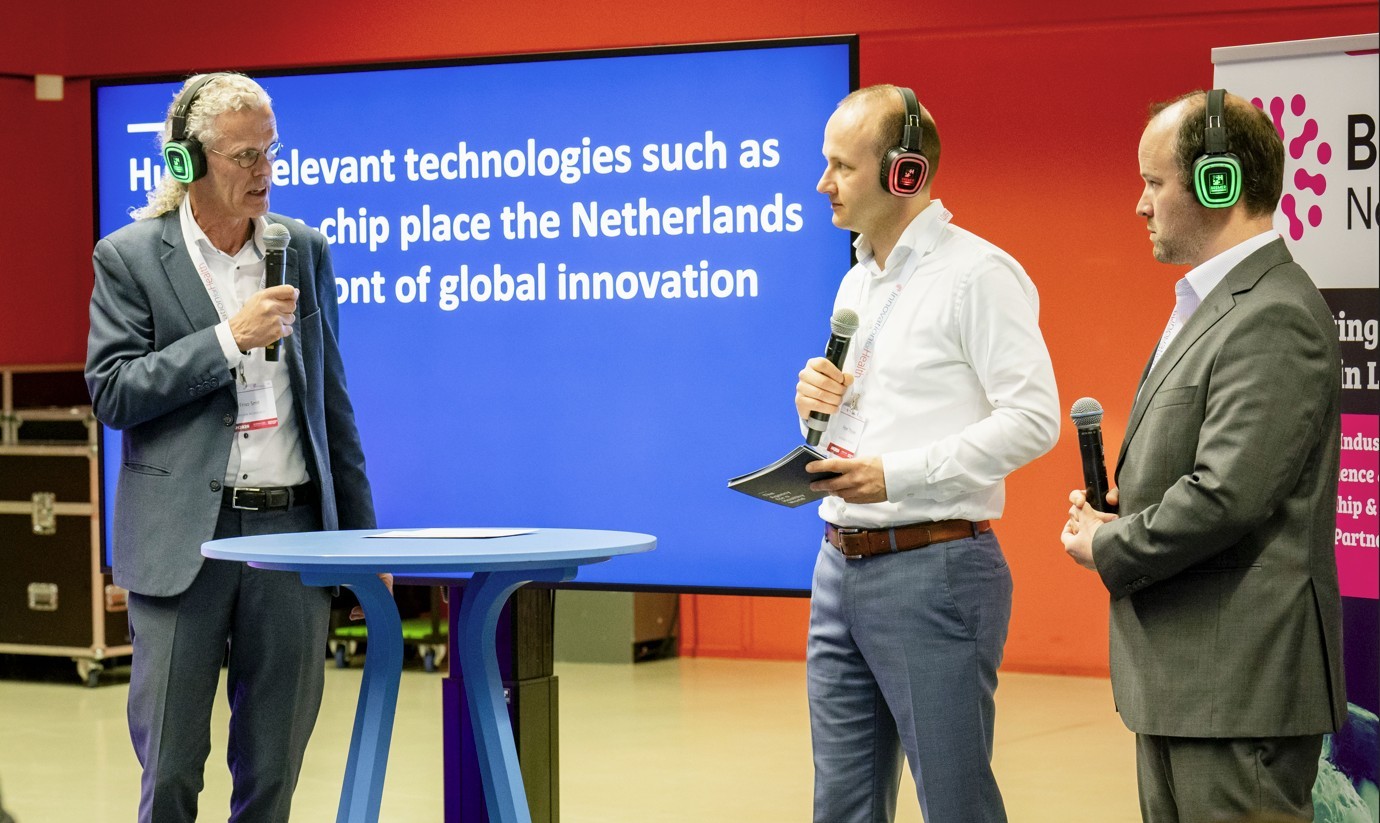
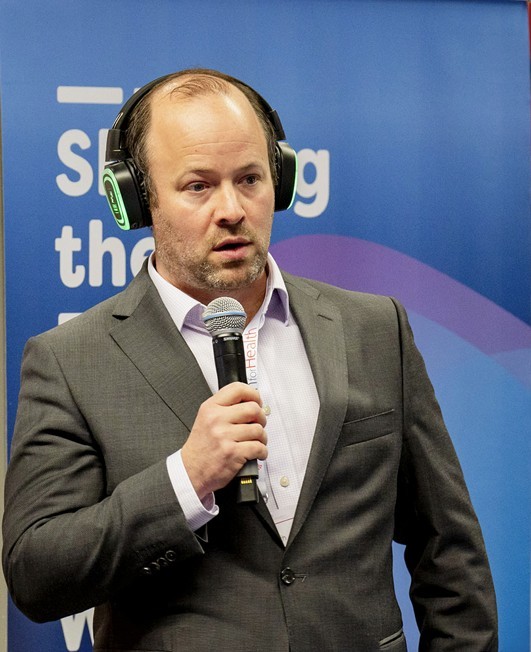
Innovations like organoids, advanced human tissue models, and organ-on-a-chip platforms are a testament to the Netherlands being a leading player in high-end oncology research. How can we leverage those scientific advancements into better outcomes for cancer patients? That question was at the centre of a conversation between Friso Smit, COO of the Oncode Accelerator Foundation, and Bas Trietsch, CTO and cofounder of Mimetas, during a BiotechNews live on-stage interview at Innovation for Health 2026.
Strong technology, slow systems
Trietsch is unmistakenly proud of the scientific momentum in the Dutch oncology field. Technologies like organoids, advanced human tissue models, and organ-on-a-chip platforms are rapidly reshaping drug development.
“We have all the key technologies,” Trietsch says. “Whether it’s organoid and organ-on-a-chip technology or programs like Oncode Accelerator — the Netherlands is in a position to lead global oncology innovation.”
Yet this leadership could be further strengthened through supportive innovation policies and a more enabling regulatory framework. According to Trietsch, Europe doesn’t lack permissions or guidance for innovative drug discovery, but clarity on opportunities and vocal support for innovation.
“What we need is explicitness,” he stressed. “When regulators speak clearly, innovation accelerates.”
World-class science struggling to reach patients
Music to the ears of Friso Smit, who strives to accelerate oncology drug development through the Oncode Accelerator programme. He emphasises that the challenge is not a scientific one, as Dutch oncology research ranks among the best in the world. This strength is exemplified by Oncode Accelerator’s ecosystem of 40 partner organizations working on drug development across industry and academia, in addition to Oncode Institute’s network of more than 60 research groups. “The weak link is translation”, says Smit.
“We have terrific science, but moving from discovery to manufacturing, scaling it up, and implementing it — that’s where we’re falling behind.”
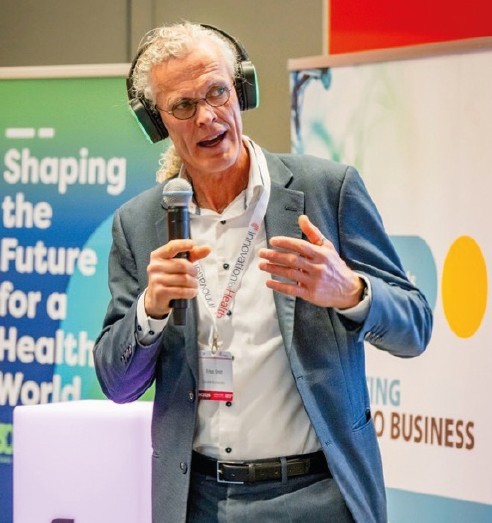
The Dutch ecosystem faces several challenges across the complete value chain according to Smit. “First of all, we see a pattern of short-term funding cycles in the innovation landscape. The National Growth Fund provided a major boost for Oncode Accelerator, for which we are very grateful, but the reliance on impulse funding creates instability.” This further underlines the need for long-term, consistent policy and innovation funding. Another factor holding us back is the slow adoption of new diagnostics and innovative therapies. “Take whole genome sequencing for example”, Smit says. “It has been available for more than a decade, yet the uptake in patient care remains limited and inconsistent.” Delays are also seen in clinical trials. On average, approval of a clinical trial in The Netherlands takes 2-3 times longer than in Germany, with the UK being even faster. “That delay harms innovation and makes us less attractive for trials, which are often run on a global scale,” Smit warns. And finally, the implementation of approved innovative medicines in clinical practice is often delayed because of lengthy reimbursement discussions. “All these barriers together make it challenging to bring the Netherlands to a level where it is attractive for industry partners to do oncology research and for Dutch patients to benefit from it”, concludes Smit.
How do we turn it around?
When asked how the Netherlands compares internationally, Trietsch stresses that the Netherlands has produced world-leading companies that successfully commercialized transformative innovations - such as Mimetas and HUB.
“We excel at early innovation but support often falters when companies begin to grow” he says. “Current policies in the EU limit financial support once startups move from R&D to commercial scale-up, while in other regions there is continuous support for growing companies.”
Similarly, he highlights the difficulty of using patient material for commercial research — a critical requirement for building predictive human-relevant disease models like Mimetas does. “If we want innovative in vitro models to reach beyond the university walls into patient-relevant settings, we need to embrace the role of both commercial and academic parties in our ethical, regulatory and funding guidelines..”
And it is possible, according to Smit. There are international examples of long-term collaborations, such as the Flanders-based VIB, which has funded innovation consistently for decades, and Cancer Research Horizons in the UK, which aligns academia and industry at national scale.
“Within the Netherlands and Europe, we can achieve much more by working together — and by being more vocal in Brussels and The Hague about the barriers that prevent innovation from reaching patients.”
Human-relevant technologies are placing the Netherlands at the forefront
Both Smit and Trietsch see that human-relevant technologies place the Netherlands at the forefront of global innovation. “The Netherlands has a unique opportunity”, says Smit. “The combination of organoid and organ‑on‑a‑chip technologies with rich patient cohorts in preclinical development is where we can make a real leap.”
Smit's closing remark is no coincidence. It captures the core of Oncode Accelerator’s mission: accelerating cancer drug development by integrating AI, organoids, and patient cohorts into the preclinical pipeline to reduce risk, cost, and time to develop new therapies. Yet, as both Smit and Trietsch emphasize, technology alone is not enough. Real impact comes from embedding innovation within a supportive ecosystem. That means designing policies that actively stimulate development and translation. The potential is clearly there. Now it’s time to make it count.