

Partnerships
INmune Bio Establishes Global Commercialization Framework for Ebstrocel™ Through Strategic Agreement with Uniphar
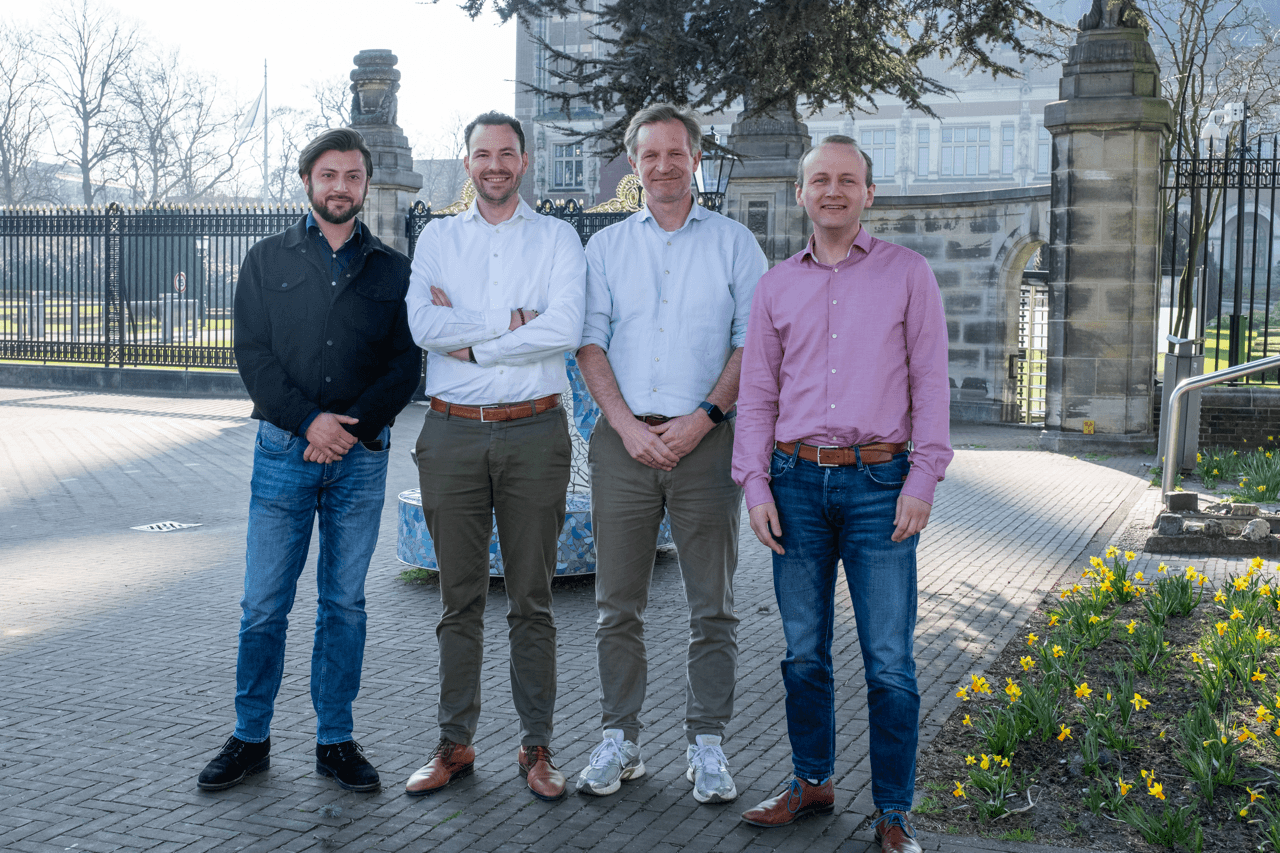
Healthbridgers and Schuttelaar & Partners have partnered to help healthcare organizations better understand and reduce their climate impact. By combining expertise, they will deliver life cycle assessments (LCAs) covering diagnostics, pharmaceuticals, and entire care pathways, and translate these insights into practical actions for sustainability.
The timing reflects a growing urgency across the sector. Healthcare currently accounts for more than 7% of CO₂ emissions in the Netherlands, a figure expected to rise due to population growth, aging, and increasing life expectancy. At the same time, climate change is placing additional pressure on healthcare systems, contributing to rising cases of heat-related illness, allergies, and infectious diseases.
Against this backdrop, the two organizations bring highly complementary strengths. Healthbridgers contributes over twenty years of clinical experience and in-depth knowledge of healthcare systems and value chains. Schuttelaar & Partners brings three decades of expertise in sustainability, health, strategy, and implementation. Together, they combine technical analysis with hands-on guidance, supporting organizations in translating insights into policy, procurement, and day-to-day practice.
“By joining forces, we can offer healthcare organizations more practical and targeted support in making care pathways more sustainable,” says Peter Thijssen on behalf of Schuttelaar & Partners. “We bring together the knowledge, experience and commitment needed to deliver this on a high level.”
Momentum for sustainability is also building within the sector itself. Nearly 500 organizations have signed the Green Deal Sustainable Healthcare 3.0, while the Dutch National Health Care Institute (Zorginstituut Nederland) is exploring how sustainability and workforce capacity could factor into future reimbursement decisions. For Roelof van Leeuwen, co-founder of Healthbridgers, this marks an important shift.
“Healthcare and climate are becoming increasingly interconnected. The better we understand where the impact lies, the more effectively we can act. The willingness to change is there - now it’s about insight and collaboration.”
Life cycle assessments are central to this approach. They provide a comprehensive view of a treatment’s environmental impact, from raw materials and manufacturing through diagnostics, clinical interventions, and waste management. This enables meaningful comparisons between treatment options and helps identify where improvements can be made across the value chain. Delivering this requires robust data, technical expertise, and close collaboration across stakeholders - precisely where the two organizations reinforce each other