

Career
“I’ve never done it, so I probably can do it”: Martine van Vugt on jumping into the unknown, collective purpose and the legacy we leave behind
From an early fascination with building things to leading a biotech spinout in precision cardiology, Nazma Ilahibaks’ journey reflects determination, scientific curiosity, and a clear sense of purpose. As CEO of JAMA Therapeutics, she is working to develop a new class of precision medicines for the heart, while navigating the realities of early-stage biotech entrepreneurship. In this edition of TOPX' Leading Ladies in Life Sciences, she shares the decisions, mindset shifts, and lessons that shaped her path.
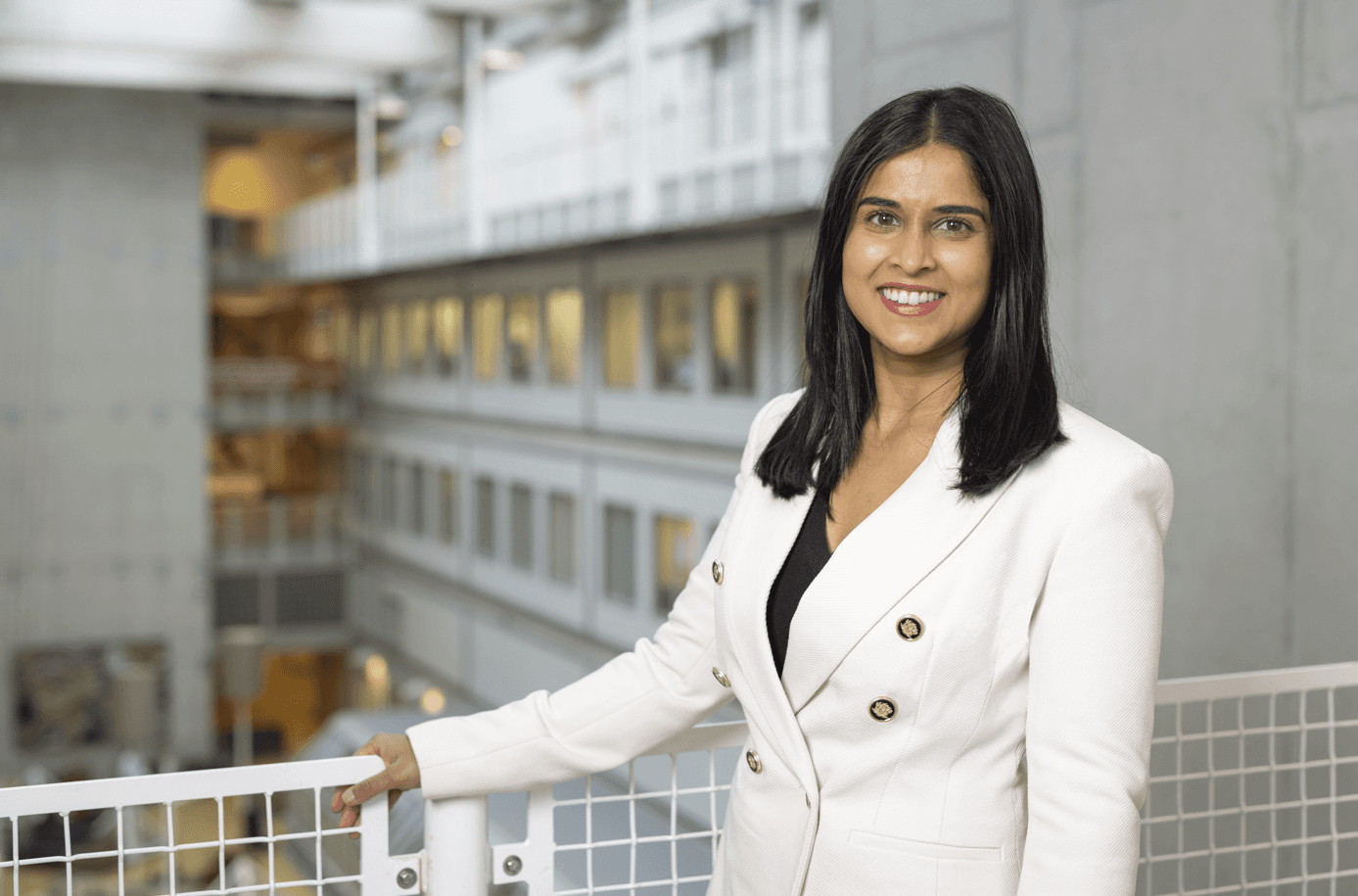
Could you tell us a bit about the person behind the job title? How is your home situation? And how do you relax outside of work?
At four years old, on my first day of school, I was the only girl in the building corner, using building blocks to build a tower and make things with my hands. That same year at a family gathering, I watched my father collapse from his second heart attack and get taken away in an ambulance.
Growing up in a small village, I was born and raised in the Netherlands as the child of first-generation migrant parents. In high school, I was told VMBO was probably my ceiling. Being stubborn enough not to listen to the limits teachers imposed on me, I found my way to VWO. The only subjects I cared for in high school were biology and chemistry, barely graduating with a 5.5/10. Nevertheless, I later graduated with honors and cum laude from Utrecht University with a Master’s in Drug Innovation. On that note, I never planned to do a PhD either, but when the chance came to help build something with real potential for patients, I took it. After completing a three-year PhD in Regenerative Medicine, two of them during COVID lockdowns, I earned the two letters in front of my name: Doctor/Dr.
From a young age until now, I have been fascinated by the building blocks life has to offer and by how we can use biomedical innovations to create long-term solutions for patients by addressing disease at its root cause. I am extremely optimistic about the future of CRISPR-based gene therapy for patients, because it can enable disease correction rather than symptomatic treatment. And I am determined to keep going, even when others doubt what can be done. Home, for me, is where family gathers around a big table filled with food.
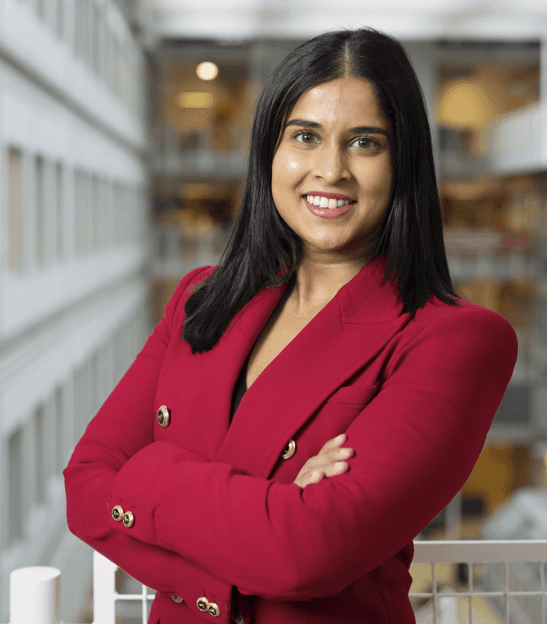
Can you briefly share your career path before your current role?
As business developer at the largest cardiology center in the Netherlands, the Amsterdam UMC Heart Center, I worked as a dedicated business developer negotiating industry deals with medtech and big pharma for interventional cardiology clinical trials. Around that time, I received the news that a patent would be filed from my research, which I wanted to co-develop as a spinout from University Medical Center Utrecht. Building a business as a business developer is not exactly a traditional path. Although I was offered a permanent position, I also received another job offer that allowed me to pursue this part-time on the side. That led me to work for the largest regenerative medicine ecosystem in Holland and Flanders, where I scouted academic projects for valorization toward spinout creation under the Thematic Technology Transfer Program together with the Dutch CardioVascular Alliance and FIRST Fund. Since then, I have been able to fund myself while building out the spinout from UMC Utrecht. Together with the team, we have now expanded the patent portfolio to three patents and secured more than €1.3 million to support early validation. Now, as CEO, or rather chief everything officer, we are spinning out of the University Medical Center Utrecht and raising our first investor round.
Was there a pivotal decision that shaped your trajectory more than you realized at the time?
A pivotal decision was leaving a steady, cushy permanent job offer to pursue entrepreneurship. It meant taking the jump into uncertainty, into the unknown. It also meant moving from my three-room apartment in Amsterdam to a much smaller place near the lab, so I could keep doing experiments in the evenings and weekend to solidify the patent claims, while working a full-time job somewhere else.
Can you tell us more about current role and company, what are your main responsibilities and main challenges?
As co-founder & CEO at JAMA Therapeutics, we’re paving a new path in precision cardiology. Our vision is to create a new class of precision medicines for the heart that meaningfully improves the lives of people affected by cardiac disease.
Titles aside, the role is reality closer to being a chief everything officer for managing the uncertainties that come with a biotech company. The day-to-day consist of guiding the team, raising capital, and keeping science, manufacturing, regulatory strategy, business development, and execution pointed in the same direction.
In contrast to tech startups, biotech entrepreneurship follows a very different logic. In tech, the familiar cycle of build>ship>learn>iterate works, because products can be adjusted and redeployed quickly in response to the market. However, biotech is not just a tech company with a lab attached. The moment you bring biology and business together, you are building a company around uncertainty. You cannot fail fast when a single experiment can take five months and cost five figures. And you cannot simply pivot away from a core biological hypothesis without wiping out years of work and prior investment. Biology does not move on demand, and every decision has to respect that reality.
A large part of that role is also translation. Scientists, investors, and partners do not naturally look at the company in the same way, so I spend time making sure we are all aligned on what the data mean, what the risks are, and what matters most right now. It also means proactively reducing unknowns-unknowns, meaning asking the right questions early, findings the rights advisors, and spotting blind spots before they become costly mistakes.
I also think biotech teaches you very quickly that being active is not the same as making progress. Progress only matters when it reduces real risk. That is what moves the company forward.
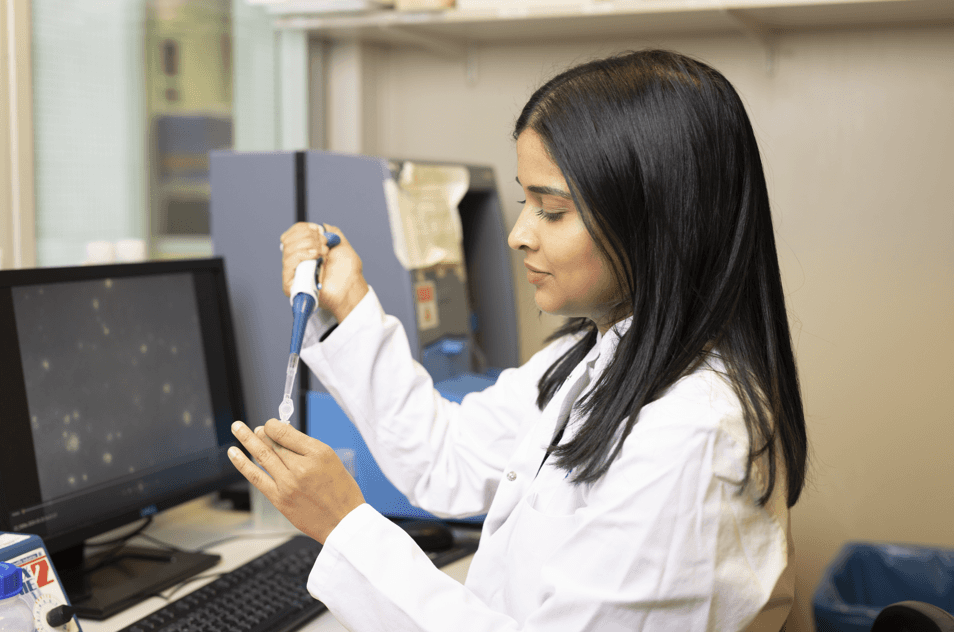
What are some of the key skills or mindset shifts that brought you where you are now today?
What brought me here is a combination of thinking with the end in mind, following my curiosity, and continuing to bet on what I know is true for me. At the end of my life, I want to be able to say I helped create a real solution for heart disease patients. That gives me a strong inner compass.
Something else I had to get comfortable with was making decisions without having all the answers. In biotech, you rarely get that luxury. So, I learned to move forward with incomplete information while staying open to change, being honest about the biological and business risks in front of us and thinking carefully about how to reduce them.
What also changed for me was how I think about risk. Specifically asymmetric risk. In every field, there are assumptions people repeat so often that they start to sound like facts. People often exaggerate what can go wrong and underestimate how much can change when a few key pieces fall into place. That taught me to look for the real bottleneck. Once those puzzle pieces come together, things can move much faster than people expect.
On top of that, I had to learn to think like an integrator. In biotech, science, development, regulation, fundraising, manufacturing, and business strategy are all connected, so you cannot treat them as separate tracks. Part of growing into this role has been knowing where my strengths are, working with people with complementary strengths, and keeping all those pieces moving in one direction.
Q: What would you have done differently in your career if you could do it over?
If I could do it over, I would be much more selective about the people I bring onto a team from the very beginning. One mediocre hire who does not raise the standard, can lower the standard for everyone. Also, I also would have been far more careful about whose advice I listened to. Looking back, I spent too much time trying to understand insights from entrepreneurship from people who are teaching it, but who had never actually built a business themselves. Never take advice from someone who has never actually carried that weight themselves.
I am glad I did my PhD, and I am proud of the inventions that came out of it. But if I could start again, I would spend more time learning directly from top biotech CEOs. Being close to people who have truly built life-changing companies would have helped me learn faster and avoid a lot of unnecessary mistakes.
Q: What advice would you give to women who would like to follow in your footsteps?
I would say, do not chase titles or prestige. Personally, I think following your passion is not the best advice. Follow the thing you are willing to get exceptionally good at, because passion usually comes after competence, not before. What matters more is paying attention to the work that keeps pulling you in intellectually, the kind of work that gives you energy instead of draining it. I also think that if your why is strong enough, you can get through a lot of obstacles. What has helped me most is going into rooms with the mindset that I can learn from anyone. And maybe most importantly, other people’s opinions of you do not have to become your reality.


